
 By Undeadinc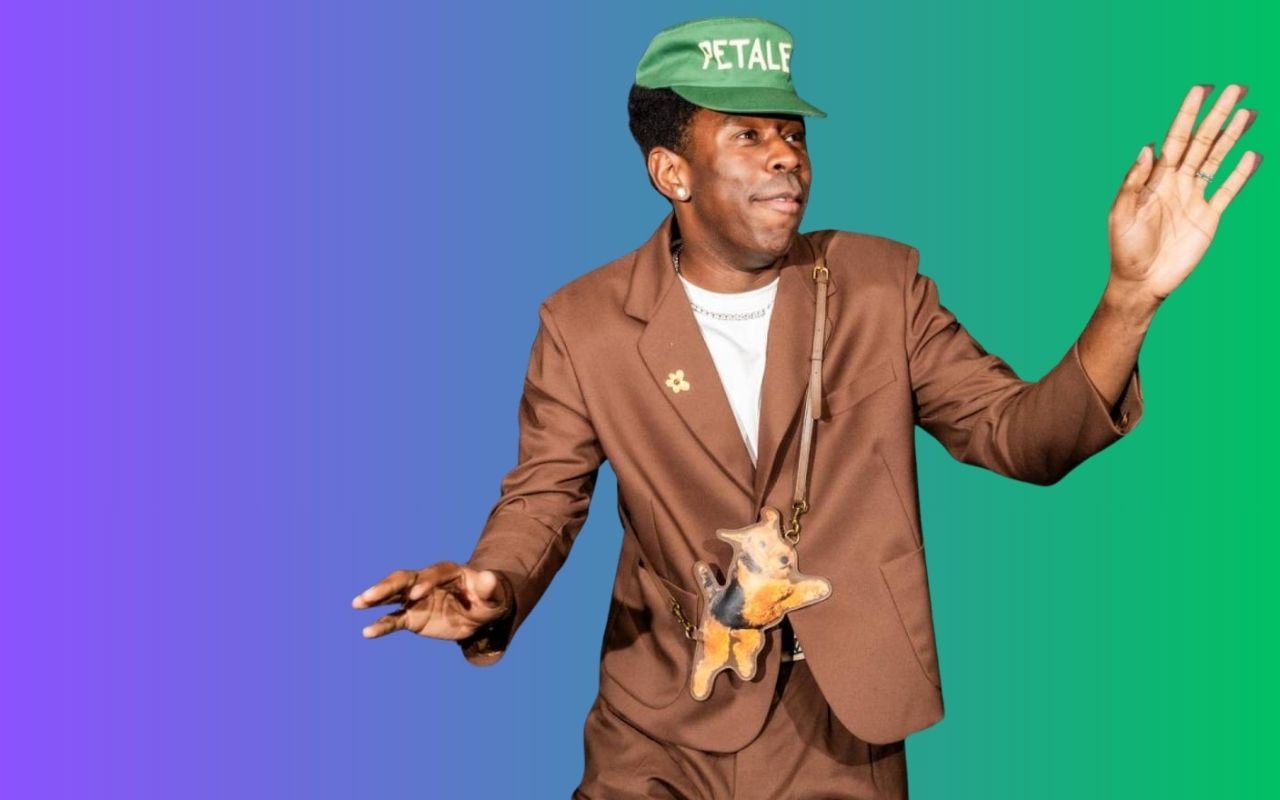
There are artists who perform, and then there are artists who shift the atmosphere the moment they step into a room. Tyler, the Creator belongs to the second category — a rare creative who transforms stages into worlds and concerts into immersive cinematic experiences. When he arrived in Brisbane for his 2025 world tour, the city felt something different in the air. Fans lined up in outfits inspired by Igor, Flower Boy, Call Me If You Get Lost, and his newest evolution, Chromakopia. The anticipation was intense, the energy was alive, and the moment he took the stage, Brisbane witnessed a night that felt like a chapter in modern music history.
People who attended the concert still describe it as a moment where imagination collided with reality. From the vibrant lighting displays to the meticulously crafted transitions, every second showcased why Tyler is not just a rapper but one of the most visionary creative minds of his generation. Brisbane, known for its relaxed yet passionate arts culture, embraced him in a way that felt almost personal. His unique combination of humor, confidence, vulnerability, and spontaneity created an atmosphere that made the performance feel less like a tour stop and more like an intimate conversation between artist and city.
What makes Tyler’s Brisbane appearance so important in his biography is not just the sold-out venue or the global tour success — it’s the connection he built with an audience thousands of miles from his hometown. That connection is the thread woven throughout his life story: a kid from California who dreamed big, built bigger, stumbled, evolved, and eventually redefined what an artist can be. His Brisbane legacy is a reflection of his global influence and the emotional reach of his music.
Before diving deeper into his early years, career evolution, challenges, triumphs, and his unforgettable Brisbane tour experience, here is a quick and accessible facts table that serves as an essential starting point for anyone wanting to understand Tyler, the Creator’s world.
Quick Facts Table
| Category | Details |
|---|---|
| Full Name | Tyler Gregory Okonma |
| Stage Name | Tyler, the Creator |
| Date of Birth | March 6, 1991 |
| Age (2025) | 34 years old |
| Profession | Rapper, Producer, Songwriter, Fashion Designer, Director, Entrepreneur |
| Birthplace | Hawthorne, California, USA |
| Parents | Mother: African-American/Canadian heritage; Father: Nigerian Igbo heritage |
| Siblings | One younger sister |
| Known For | Alternative hip-hop, genre-blending production, Golf Wang fashion brand, Camp Flog Gnaw festival |
| Estimated Net Worth (2025) | $25–$35 million (approx.) |
| Social Media | Instagram: @feliciathegoat |
| Notable Album (Recent) | Chromakopia (2024) |
| Major Tour | 2025 World Tour — including Brisbane |
Who Is Tyler, the Creator? The Man Behind the Artistic Revolution
Tyler, the Creator, born Tyler Gregory Okonma, grew up in Hawthorne, California, long before becoming a global icon whose music reshaped the boundaries of hip-hop. From a very young age, he displayed unusual curiosity — pulling apart toys, sketching album covers, and designing imaginary tracklists before he even learned how to play an instrument. This early spark of creativity wasn’t random; it was the foundation of what would later become an entire creative universe built around music, fashion, visuals, and storytelling. The world would eventually know him as a producer who crafts intricate soundscapes, a director with a distinct visual identity, and a performer capable of commanding massive stages across continents.
Growing up without his father in the picture shaped much of Tyler’s resilience and individuality. He carried an independence that would later become one of the strongest elements of his artistic identity. His mother, who consistently supported his passions despite financial challenges, provided the emotional grounding he needed to explore ideas freely. This freedom contributed to the fearlessness he displays in his music — unfiltered emotions, sharp satire, vulnerability, confidence, and sometimes chaos all mixed together in a way only Tyler can execute.
Tyler never followed traditional rules, whether in life or art. While other kids focused on fitting in, he leaned heavily into the weird, the experimental, and the imaginative. This outsider perspective became his superpower. It allowed him to create worlds rather than just songs and to bring depth and personality into every project he touched. His fanbase connected with this authenticity, sensing that he wasn’t trying to replicate trends — he was building something entirely new.
By the time he emerged into the public eye through the Odd Future collective, Tyler had already begun designing the skeleton of a creative empire. His persona, his humor, his raw honesty, and his ability to blend genres made him one of the most compelling voices in hip-hop’s modern era. The world didn’t just watch him rise; it watched him evolve.
Early Life, Family Background, and the Foundation of His Creativity
Tyler’s childhood was full of movement — switching schools, constantly adjusting to new settings, and figuring out his place in environments where he never quite blended in. This instability, though challenging, became a powerful part of his artistic formula. Each school introduced new people, new cultures, new challenges, and new stories that influenced his distinct voice. Even though he struggled academically in traditional settings, creativity always came naturally. He played piano by ear, designed imaginary products, and experimented with clothing ideas years before launching Golf Wang.
His heritage played a significant role as well. Having Nigerian Igbo roots from his father’s side and African-American/Canadian influences from his mother gave him a diverse cultural background. Although he didn’t grow up with his father, the connection to Nigerian ancestry often sparked curiosity in interviews, inspiring him to dig into identity and belonging in subtle ways through his lyrics and visuals. This cultural blend contributed to the worldly, border-defying lens through which he now creates art.
At home, his mother was the pillar of strength who encouraged his creativity. Their bond influenced several emotional tracks throughout his career, showing a more vulnerable side often hidden beneath his comedic or rebellious exterior. His sister, whom he grew up with, offered companionship during his creative experiments, listening to early beats or watching him map out ideas that seemed unusual at the time but eventually became the blueprint of his artistic empire.
Even with limited resources, Tyler managed to turn his imagination into action. He learned tools on his own — production software, graphic design, video editing — slowly building the skillset that would later fuel his multi-disciplinary success. His early life was not glamorous, but it was the perfect training ground for someone destined to redefine creativity.
The Rise of Odd Future and Tyler’s Breaking-Point Moment
When Tyler co-founded Odd Future (OFWGKTA) in his teens, he didn’t know he was launching a movement. Odd Future became a rebellious creative collective filled with rappers, skaters, visual artists, and producers who didn’t look or sound like anyone else in the industry. Their raw, comedic, chaotic style became magnetic — the internet loved them, youth culture embraced them, and suddenly, Tyler became the face of an unconventional artistic wave.
The release of Bastard in 2009 marked his first major turning point. The album was unfiltered and emotionally intense. It introduced him not only as a rapper but as a producer capable of crafting moody atmospheres that felt both cinematic and unsettling. His follow-up, Goblin, and the viral explosion of “Yonkers” in 2011 launched him into international fame. The video — stark, unsettling, and hypnotic — became a cultural moment. People didn’t just listen to Tyler; they dissected him, debated him, tried to understand him.
With sudden fame came scrutiny. Tyler faced criticism for lyrical content, public persona, and rebellious behavior. But instead of collapsing under pressure, he evolved. He realized that growth was not just necessary — it was inevitable. This period pushed him to experiment more deeply, explore themes like love, connection, depression, and identity, and refine his production style. Odd Future had initiated his rise, but Tyler’s ambition was always bigger.
Through these experiences, Tyler transformed from a provocative teenager into a thoughtful, introspective artist with something to say — and with the courage to say it differently each time.
Artistic Evolution: From Raw Energy to Emotional Mastery
Tyler’s evolution through albums like Wolf, Cherry Bomb, Flower Boy, Igor, Call Me If You Get Lost, and Chromakopia represents one of the most dramatic artistic growth arcs in modern hip-hop. Each project introduced new textures, new storytelling layers, and new emotional depth. The shift from abrasive sounds to lush, soulful melodies showed that he wasn’t just experimenting — he was maturing.
Flower Boy (2017) became a defining moment. It showcased vulnerability, identity exploration, and a softer emotional tone. Fans connected deeply with the honesty woven through every track. Igor (2019) pushed those themes further and won him a Grammy for Best Rap Album, though the genre lines were intentionally blurred. He wasn’t chasing categories; he was building a world where music and emotion could exist without rigid labels.
By the time Call Me If You Get Lost arrived, Tyler had mastered the ability to blend storytelling with swagger. The album felt like a travel diary filled with triumph, pain, humor, and self-reflection. His newest era, Chromakopia, continued expanding his sonic universe — colorful, experimental, nostalgic, and deeply cinematic.
Every album shows his willingness to take risks. Every project shows growth. And every evolution proves why he stands out as one of the most innovative artists of his generation.
Tyler the Creator in Brisbane — A Night of Magic, Music, and Unstoppable Energy
When Tyler reached Brisbane during his 2025 world tour, the atmosphere shifted instantly. Fans packed the arena hours before the show, dressed in vibrant colors, fluffy “Igor” hats, pastel suits, and floral patterns inspired by Golf Wang. Brisbane’s creative community thrives on individuality, and Tyler’s presence amplified that energy tenfold. From the moment the lights dimmed and the first beat hit, it felt like the city was witnessing history.
The performance was electric. Tyler moved across the stage with intensity, switching between aggressive bangers and emotional ballads with seamless control. His humor kept the crowd laughing, while his storytelling made them pause and reflect. Each song had its own world — different lighting, different tone, different emotional shift. Brisbane wasn’t just getting a concert; it was experiencing a theatrical masterpiece shaped by a visionary who understood the power of atmosphere.
One of the most memorable aspects of his Brisbane show was his connection with the audience. He spoke directly to fans, acknowledged their outfits, teased them, thanked them, and shared moments of vulnerability. The crowd responded with unmatched enthusiasm — singing every lyric, dancing through every transition, and cheering with an intensity that Tyler later mentioned felt “different in the best way.”
Although he suffered a brief shoulder injury mid-performance, he continued performing with passion. That resilience made fans admire him even more. Brisbane wasn’t just another stop; it was a moment of mutual appreciation, creativity, and emotional exchange. People left the venue saying they had witnessed something unforgettable.
Personal Life, Values, and the Mind Behind the Creativity
Behind the colorful visuals, bold lyrics, and comedic interviews, Tyler is a deeply introspective person. His personal life is intentionally private, but he often shares glimpses into his emotions through his music. Themes like loneliness, identity, love, ambition, and self-criticism appear frequently in his lyrics. He once said in an interview that creativity is how he stays grounded — an outlet that allows him to transform confusion into beauty.
Fashion is another major part of his identity. Through his brands Golf Wang and Golf le Fleur, Tyler expresses the playful and expressive side of his personality. Bright colors, bold patterns, and vintage aesthetics reflect the joy and confidence he encourages fans to embrace. His designs represent more than clothing — they’re a celebration of individuality and self-expression.
Tyler’s friendships also shape his life. Long-time collaborators from Odd Future remain important parts of his world. Though the collective no longer functions the way it once did, the bond left a lasting impact on everyone involved. Tyler still carries the spirit of collaboration, bringing diverse artists into his projects and constantly experimenting with new creative directions.
Despite his fame, Tyler emphasizes enjoying solitude, traveling, exploring new sounds, and appreciating the small details of life. He is a reminder that creativity isn’t just a job — it’s a lifestyle built on curiosity, observation, and the courage to be oneself.
Net Worth, Achievements, and His Expanding Creative Empire
Tyler’s estimated net worth of $25–$35 million in 2025 comes from diverse income streams. Music is only one part of his empire. His fashion brands generate massive revenue through clothing drops, collaborations, and limited-edition releases. His fragrance line, accessories, and lifestyle products under Golf le Fleur also contribute significantly.
Touring remains one of his highest-earning ventures. His 2025 world tour ran across continents and sold out in several major cities, including Brisbane. These performances prove his global reach and his ability to attract massive audiences regardless of location.
Awards and recognition have followed him steadily. From Grammy wins to MTV awards, Tyler has earned accolades across genres and categories. But more importantly, he has earned respect from fans, critics, and industry peers who admire his willingness to evolve and push artistic boundaries.
What makes Tyler exceptional is not the money or awards — it’s the legacy he’s building. His influence stretches beyond music into fashion, culture, storytelling, and aesthetics. He inspires countless young artists to experiment, express themselves boldly, and reject limitations. His empire continues to grow because it is built on authenticity and innovation.
Social Media Presence and Connection With Fans
Tyler’s social media persona is part humor, part chaos, and part unexpected wisdom. He often uses platforms like Instagram and Twitter to share snippets of his life, promote his fashion drops, or simply make jokes that go viral within minutes. His posts are unpredictable, which makes them even more entertaining for fans.
Despite his playful online presence, he avoids oversharing. He values privacy and prefers letting his art speak for him. This balance creates an intriguing dynamic — fans feel connected, yet Tyler maintains his boundaries. His social media also helps spread the aesthetic of his fashion brands, turning his platforms into creative mood boards with unusual photography and bold color themes.
YouTube remains another major space for him. His music videos, often directed by himself, are mini-movies with strong visual storytelling. These visuals contribute significantly to his cultural impact and help shape the artistic identity fans recognize instantly.
Overall, Tyler uses social media not as a chore, but as an extension of his creative expression — unpredictable, entertaining, and unmistakably authentic.
Recent Updates, Future Plans, and What Comes Next
2025 marks an exciting chapter for Tyler, the Creator. With the release of Chromakopia and a world tour that includes major regions like Australia, Asia, Europe, and North America, his creative momentum is stronger than ever. Fans speculate that he may move toward film or television in the future, given his strong directing skills. Some believe he may expand Golf le Fleur into a full lifestyle brand with home décor or footwear collaborations.
Another possibility is new festival concepts or expanded versions of Camp Flog Gnaw. Tyler has always enjoyed creating spaces where music, fashion, and community intersect. The future may hold even more ambitious projects as he continues shaping culture rather than simply participating in it.
What’s clear is that Tyler is not slowing down. His Brisbane performance proved that his passion remains vibrant, and his creativity continues evolving. Whatever direction he chooses next — music, fashion, film, or a blend of all three — the world will be watching with excitement.
Read More: Bad Bunny Sydney Biography 2025: Life, Career, Net Worth & Tour Highlights
Conclusion — Tyler, the Creator’s Brisbane Legacy and the Power of Artistic Freedom
Tyler, the Creator’s journey from a curious kid sketching imaginary album covers to an international creative icon is nothing short of inspiring. His Brisbane performance in 2025 captured everything that makes him special — the humor, the vulnerability, the explosive energy, and the deep artistic imagination. Fans didn’t just attend a concert; they witnessed a story unfolding in real time. And that story continues to evolve with every project he releases, every risk he takes, and every world he builds through his creativity.
His influence on future generations is undeniable. Young artists look to him as proof that they can be bold, they can be weird, they can be expressive, and still change the world. His legacy reminds us that creative freedom is not just a privilege — it is a responsibility.
As Tyler the Creator continues to pave the way for future generations, his story stands as a reminder of how resilience and purpose can shape a meaningful legacy.