
 By Skills Students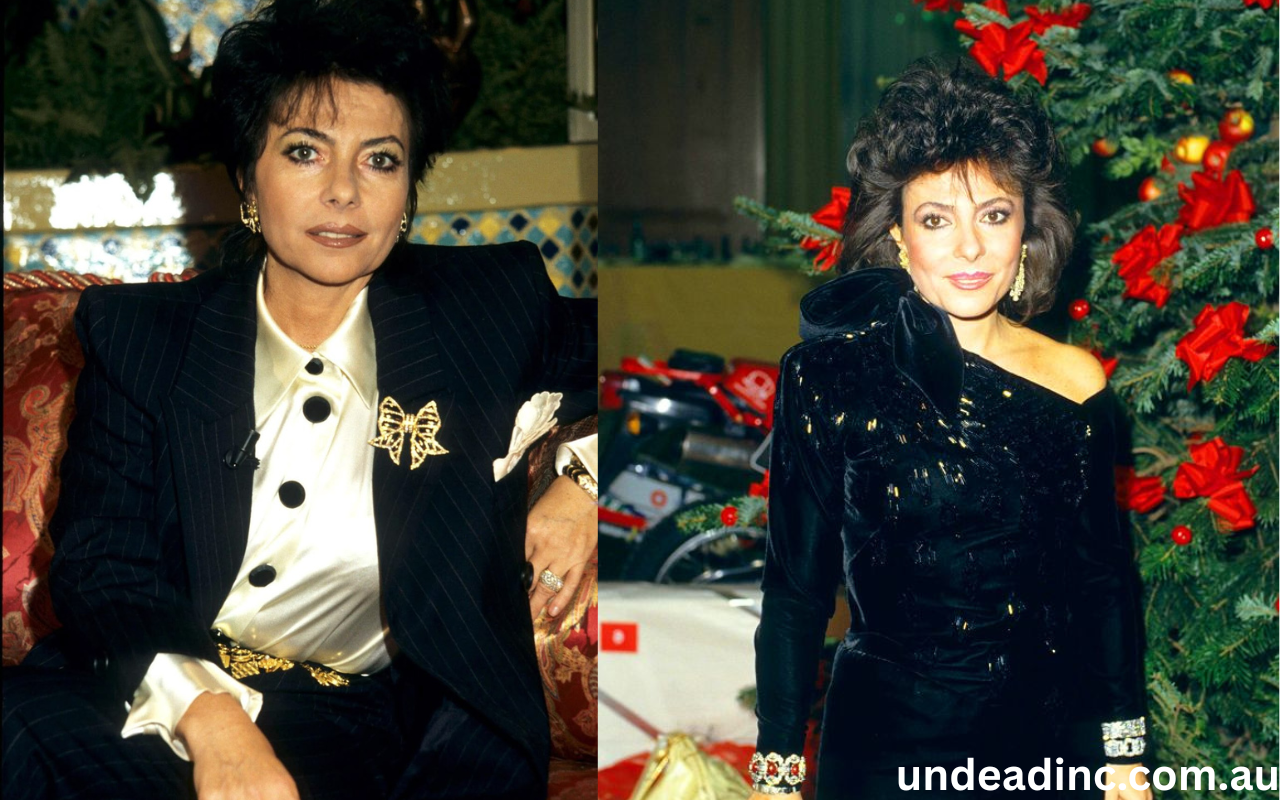
Patrizia Reggiani was born on December 2, 1948, in Vignola, a small town in northern Italy. Her birth name was Patrizia Martinelli, and her early childhood was far from glamorous. She grew up in modest surroundings with her mother, who worked tirelessly to provide for her. Patrizia never had a relationship with her biological father, which shaped much of her emotional development during her early years. Her life changed dramatically when her mother married a wealthy businessman who later adopted Patrizia, giving her access to a more privileged lifestyle.
Growing up in Milan, Patrizia became fascinated with luxury, fashion, and elite society. She developed a strong personality and was known for her confidence and ambition. Her exposure to wealth and sophisticated social circles helped shape her desire to live a life surrounded by elegance and status. She spent her youth attending exclusive events, building relationships, and learning how to navigate high-society culture.
Patrizia’s upbringing played an important role in forming her identity and aspirations. Her transition from modest beginnings to wealth influenced her strong determination to secure a permanent place among Italy’s elite. Many observers believe that her early life experiences fueled her later decisions, as she became deeply focused on maintaining prestige, financial security, and social recognition.
Marriage to Maurizio Gucci and Entry into Fashion Royalty
Patrizia’s life took a dramatic turn when she met Maurizio Gucci, the grandson of Guccio Gucci, the founder of the world-famous Gucci fashion house. The two met in the early 1970s at a social event in Milan, where Patrizia quickly caught Maurizio’s attention. Their relationship moved quickly despite opposition from Maurizio’s father, who reportedly doubted Patrizia’s intentions and feared she was drawn to the family’s wealth and status.
In 1972, Patrizia and Maurizio married in a grand ceremony that placed her directly into the spotlight of Italian high society. As the wife of a Gucci heir, she embraced a life filled with luxury travel, designer fashion, and glamorous parties. The couple enjoyed an extravagant lifestyle that symbolized wealth and success. Patrizia became known as “Lady Gucci,” reflecting her strong presence within elite social circles and her growing influence in the family’s business environment.
Their marriage also strengthened Patrizia’s connection to the fashion industry. She frequently appeared at high-profile events and gained recognition for her elegant style and strong personality. During the early years of their marriage, the couple seemed deeply connected and built a public image that represented sophistication and power within the luxury fashion world.
Family Life and Personal Relationships
Patrizia and Maurizio Gucci had two daughters, Alessandra and Allegra Gucci, who were raised in an environment of wealth and privilege. Patrizia was known to be very protective of her daughters and dedicated significant time to their upbringing. She believed strongly in maintaining family unity and ensuring her children enjoyed the finest education and opportunities available.
Despite the public image of a happy family, tensions slowly began to surface behind closed doors. Maurizio became increasingly involved in business matters and faced pressure from internal family disputes within the Gucci company. These challenges placed strain on his personal life and created emotional distance between him and Patrizia. The glamorous lifestyle that once brought them together began to mask deeper relationship problems.
Patrizia struggled with maintaining control over her family and social position as Maurizio’s focus shifted. She remained determined to preserve her influence and status, which sometimes led to conflicts in their relationship. Friends and acquaintances later described their marriage as passionate but increasingly complicated, with emotional stress gradually overshadowing their once romantic partnership.
The Breakdown of Their Marriage
By the mid-1980s, the relationship between Patrizia and Maurizio had reached a breaking point. Maurizio began distancing himself emotionally and eventually left Patrizia, claiming he needed space and independence. This separation shocked Italian high society, as the couple had long been viewed as a symbol of wealth and elegance. Patrizia struggled deeply with the collapse of her marriage and the sudden loss of her social standing.
Their divorce became official in 1994, marking a significant turning point in Patrizia’s life. Although she received a substantial financial settlement, the emotional impact of the separation was severe. She reportedly felt betrayed and humiliated by Maurizio’s decision to leave her for another woman. The divorce not only affected her personal life but also diminished her influence within the Gucci family empire.
During this period, Patrizia faced health challenges, including surgery for a brain tumor. This difficult time intensified her emotional instability and deepened her resentment toward Maurizio. Many believe that the combination of personal heartbreak, health struggles, and fear of losing financial security played a major role in shaping her future actions.
The Murder of Maurizio Gucci
On March 27, 1995, Maurizio Gucci was shot and killed outside his office in Milan, shocking the fashion world and international media. The murder of a prominent member of the Gucci dynasty immediately sparked a massive investigation. Authorities discovered that the killing had been carefully planned and carried out by a hired gunman, raising questions about who might have orchestrated the crime.
Investigators gradually uncovered connections linking Patrizia Reggiani to the assassination. Evidence suggested that she had hired intermediaries to arrange the murder. Prosecutors argued that her motives included jealousy over Maurizio’s new relationship and concerns about losing financial benefits. The shocking nature of the crime captured global attention and transformed the case into one of Italy’s most famous true-crime stories.
The murder also highlighted the darker side of wealth and power within elite social circles. The idea that a former Gucci socialite could allegedly arrange such a crime fascinated the public and media. The case quickly became a symbol of how personal conflicts and financial disputes can escalate into tragic consequences.
Investigation and Arrest
Nearly two years after Maurizio Gucci’s death, investigators gathered enough evidence to arrest Patrizia Reggiani in 1997. Police uncovered testimony from individuals involved in organizing the crime, including a close associate who acted as a mediator between Patrizia and the hired hitman. Her arrest shocked the public and dominated international headlines.
The investigation revealed detailed planning and financial transactions connected to the murder plot. Prosecutors presented evidence suggesting that Patrizia had carefully coordinated the assassination through multiple accomplices. The case attracted intense media attention, with journalists and reporters closely following every development.
Patrizia’s arrest transformed her public image from glamorous socialite to suspected criminal mastermind. The dramatic nature of her downfall fascinated audiences worldwide. Her personality, background, and connection to the Gucci empire made the case particularly compelling, turning it into one of the most talked-about legal scandals in modern Italian history.
The Trial and Conviction
Patrizia Reggiani’s trial began in 1998 and quickly became a media sensation. Court proceedings revealed disturbing details about the planning and execution of Maurizio Gucci’s murder. Prosecutors argued that Patrizia orchestrated the assassination out of revenge and financial motivation, presenting witness testimony and documented evidence to support their claims.
The Italian press gave Patrizia the nickname “Vedova Nera,” which means Black Widow, reflecting the sensational nature of the case. Throughout the trial, she maintained a strong and sometimes defiant attitude. Her courtroom presence and public statements kept media attention focused on her personality as much as the crime itself.
Patrizia was ultimately convicted of arranging the murder and sentenced to 29 years in prison. Her sentence was later reduced, and she served approximately 18 years before being released in 2016. The verdict marked the end of one of Italy’s most dramatic criminal trials and cemented her reputation as a central figure in a globally recognized true-crime story.
Life in Prison and Personal Transformation
During her imprisonment, Patrizia Reggiani continued to attract public attention. Reports about her life in prison revealed unusual privileges, including permission to keep a pet ferret. Her refusal to accept early release under certain conditions demonstrated her strong personality and unwillingness to compromise her personal values or lifestyle preferences.
Prison life brought significant psychological challenges for Patrizia. She reportedly struggled with depression and emotional instability during her incarceration. These struggles highlighted the mental toll of long-term imprisonment and the dramatic fall from her previously luxurious lifestyle.
Despite the challenges, Patrizia maintained her distinctive public identity. She remained a controversial figure and continued to give interviews expressing her personal perspective on the events that led to her conviction. Her statements often fueled debate about her motives and emotional state, keeping her story alive in public discussion.
Cultural Impact and Media Representation
The story of Patrizia Reggiani gained renewed attention with the release of the film “House of Gucci” in 2021. The movie portrayed her relationship with Maurizio Gucci and the events leading to his murder, introducing her story to a new generation. The film highlighted themes of ambition, betrayal, and the influence of wealth within elite families.
Patrizia openly expressed mixed reactions to her portrayal in popular media. She criticized certain aspects of the film while acknowledging the renewed interest in her life story. Her reaction added further intrigue to an already complex narrative that continues to captivate audiences worldwide.
The Gucci murder case remains one of the most fascinating intersections of fashion history and criminal investigation. Patrizia’s life has become a cultural reference point for discussions about power, relationships, and the pressures of maintaining social status within luxury industries.
Patrizia Reggiani’s Legacy and Life After Prison
After her release from prison in 2016, Patrizia Reggiani returned to Milan and resumed a relatively private lifestyle while still attracting public curiosity. She has occasionally appeared in media interviews and public spaces, maintaining her reputation as an eccentric and controversial personality.
Her legacy continues to influence discussions about crime, wealth, and personal ambition. Some view her as a tragic figure shaped by emotional trauma and societal pressure, while others see her as a symbol of calculated revenge. Regardless of perspective, her story remains deeply connected to the history of the Gucci brand and Italian high society.
Patrizia Reggiani’s life represents a dramatic blend of luxury, scandal, and tragedy. Her story continues to fascinate audiences, historians, and true-crime enthusiasts. The combination of personal relationships, financial power, and criminal actions ensures that her name remains permanently associated with one of the most shocking cases in fashion and crime history.
Read More: Vanessa Laine Bryant: Life, Legacy, and Journey Beyond Kobe Bryant