
 By Undeadinc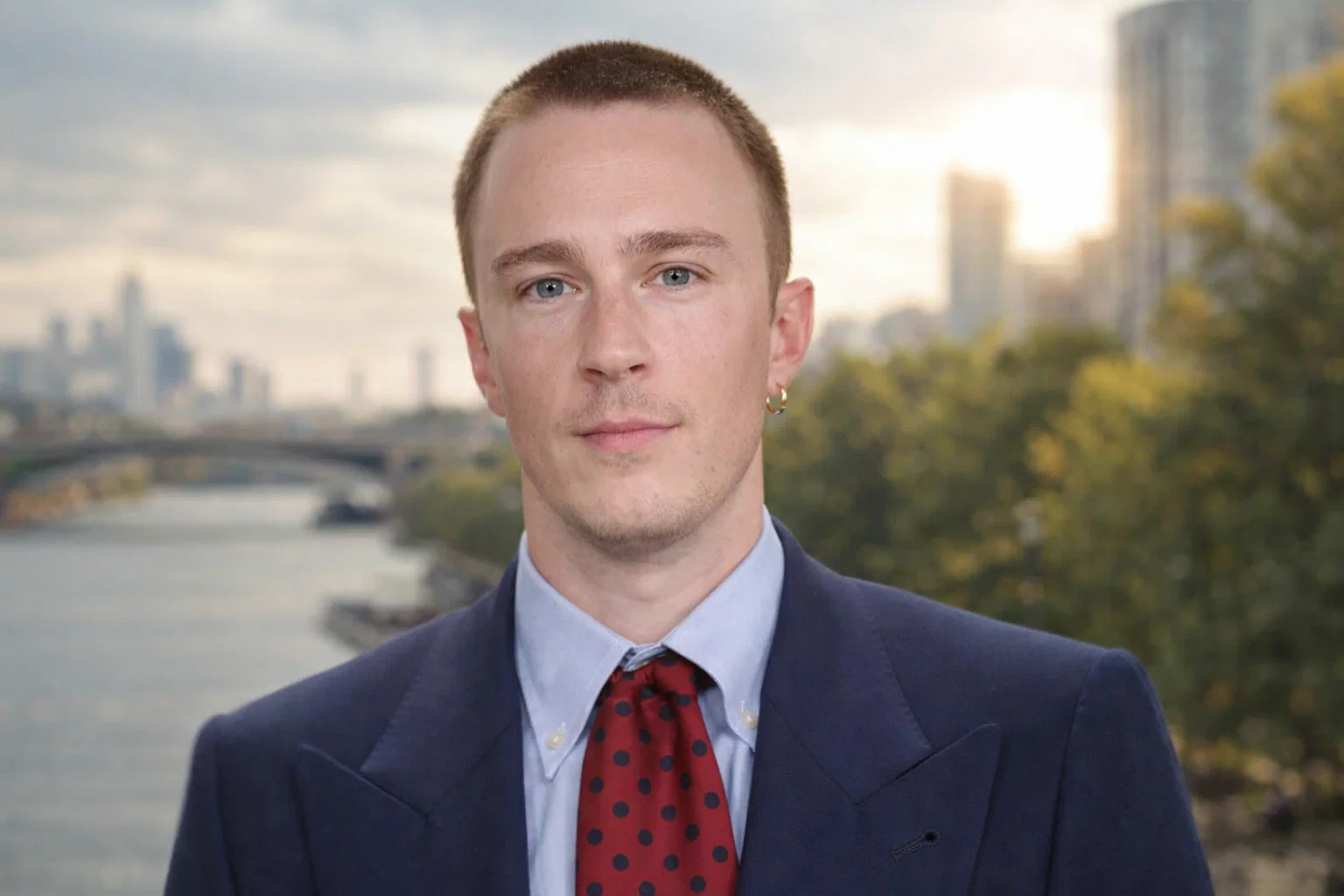
Drew Starkey is an American actor who rose to international fame through emotionally intense and often controversial roles. As his popularity increased, online searches about his personal life expanded beyond his acting work to include questions about his health and disability. These searches are not uncommon for actors who portray psychologically complex or physically demanding characters, as audiences often look for real-life explanations behind powerful performances.
Table of Contents
ToggleIt is important to clearly state that there is no public or verified information confirming that Drew Starkey has any disability. The association between his name and disability largely stems from fan curiosity, misinterpretation of his roles, and the broader tendency of internet culture to speculate. Understanding this context helps separate fact from assumption and keeps the discussion respectful and accurate.
Early Life, Education, and Personal Foundations
Drew Starkey was born and raised in North Carolina, where he grew up in a structured and supportive family environment. His early life was shaped by academics, athletics, and creative interests, all of which contributed to his disciplined approach to acting later on. Sports helped him develop physical control and endurance, while literature and theatre nurtured emotional awareness and communication skills.
His formal education in English and theatre performance provided him with tools to analyze characters deeply and approach roles with intention rather than impulse. This academic grounding is often overlooked when discussing his intense screen presence, yet it plays a crucial role in how he prepares for and executes demanding performances without relying on personal health narratives.
Acting Range and the Illusion of Real-Life Struggle
Many viewers associate Starkey’s emotionally volatile characters with real-life struggle, including assumptions about mental or physical disability. This is a common misconception in acting, where convincing performances are sometimes mistaken for autobiographical truth. Starkey’s work demonstrates how technique, research, and rehearsal can create realism without mirroring the actor’s personal experiences.
Professional actors are trained to access emotional extremes safely and repeatedly. Starkey’s consistency across multiple projects suggests strong mental discipline and professional boundaries rather than unmanaged personal challenges. His performances are crafted, not confessional, which is a distinction often lost in online discourse.
Outer Banks and the Impact of Playing Rafe Cameron
Starkey’s portrayal of Rafe Cameron in Outer Banks significantly shaped public perception of him. The character’s instability, aggression, and internal conflict led many viewers to blur the line between actor and role. Because Rafe exhibits destructive behaviors, some fans began speculating about Starkey’s mental health or possible disabilities.
In reality, long-running television roles require stamina, emotional regulation, and reliability. Starkey’s continued presence on the show across seasons reflects professional stability rather than personal fragility. The role’s intensity highlights his acting ability, not any underlying health condition.
Disability Representation Versus Personal Attribution
Disability representation in media is an important and evolving conversation, but it must be handled carefully. Associating a real person with a disability without confirmation can undermine genuine advocacy efforts. Starkey has not publicly identified as disabled, nor has he spoken about living with any physical or mental condition.
Confusing representation with attribution risks turning meaningful topics into rumors. Actors can portray vulnerability, trauma, or impairment as part of storytelling without those elements reflecting their own lives. Respecting this separation supports both accurate representation and personal dignity.
Queer, Artistic Risk, and Misinterpreted Depth
Starkey’s work in more artistic and mature films has further fueled speculation about his personal life, including health-related assumptions. Projects that explore intimacy, identity, or psychological complexity often invite audiences to search for hidden meanings behind casting choices. In Starkey’s case, these interpretations are not supported by any public statements or disclosures.
Choosing challenging roles is often a strategic and artistic decision rather than a reflection of personal circumstance. Starkey’s willingness to take creative risks points to ambition and curiosity, qualities that define many respected actors, rather than to any undisclosed disability.
Media Speculation and Internet Misinformation
The internet amplifies speculation quickly, especially when search trends reward sensational keywords. Once a question about disability becomes associated with a celebrity’s name, it can persist regardless of accuracy. This cycle creates confusion for readers and places unfair narratives on public figures.
Responsible discussion requires distinguishing between verified information and algorithm-driven curiosity. In Starkey’s case, repeated searches do not equal evidence. The absence of confirmed information should be treated as a clear signal to avoid assumptions rather than an invitation to speculate.
Privacy, Health, and Personal Boundaries
Health is a deeply personal subject, even for public figures. Drew Starkey has chosen to keep his private life focused on his work rather than on personal disclosures. This choice aligns with many actors who prefer to let their performances speak for themselves.
Respecting privacy means acknowledging what is known and accepting what is not shared. In the absence of any disclosure, it is both ethical and accurate to state that no disability has been publicly identified. This approach maintains integrity in storytelling and reporting.
Conclusion: Focusing on Craft, Not Assumptions
Drew Starkey’s career is defined by dedication, range, and a willingness to engage with challenging material. Questions about disability arise not from facts but from the emotional power of his performances and the nature of modern celebrity culture. There is no verified evidence that he has a disability, and suggesting otherwise shifts attention away from his professional achievements.
The most constructive way to engage with Starkey’s work is to focus on his craft, growth, and future projects. By separating performance from personal health narratives, audiences can appreciate his talent without contributing to misinformation. Respect, accuracy, and clarity ultimately serve both the actor and the wider conversation around representation and privacy.