
 By Undeadinc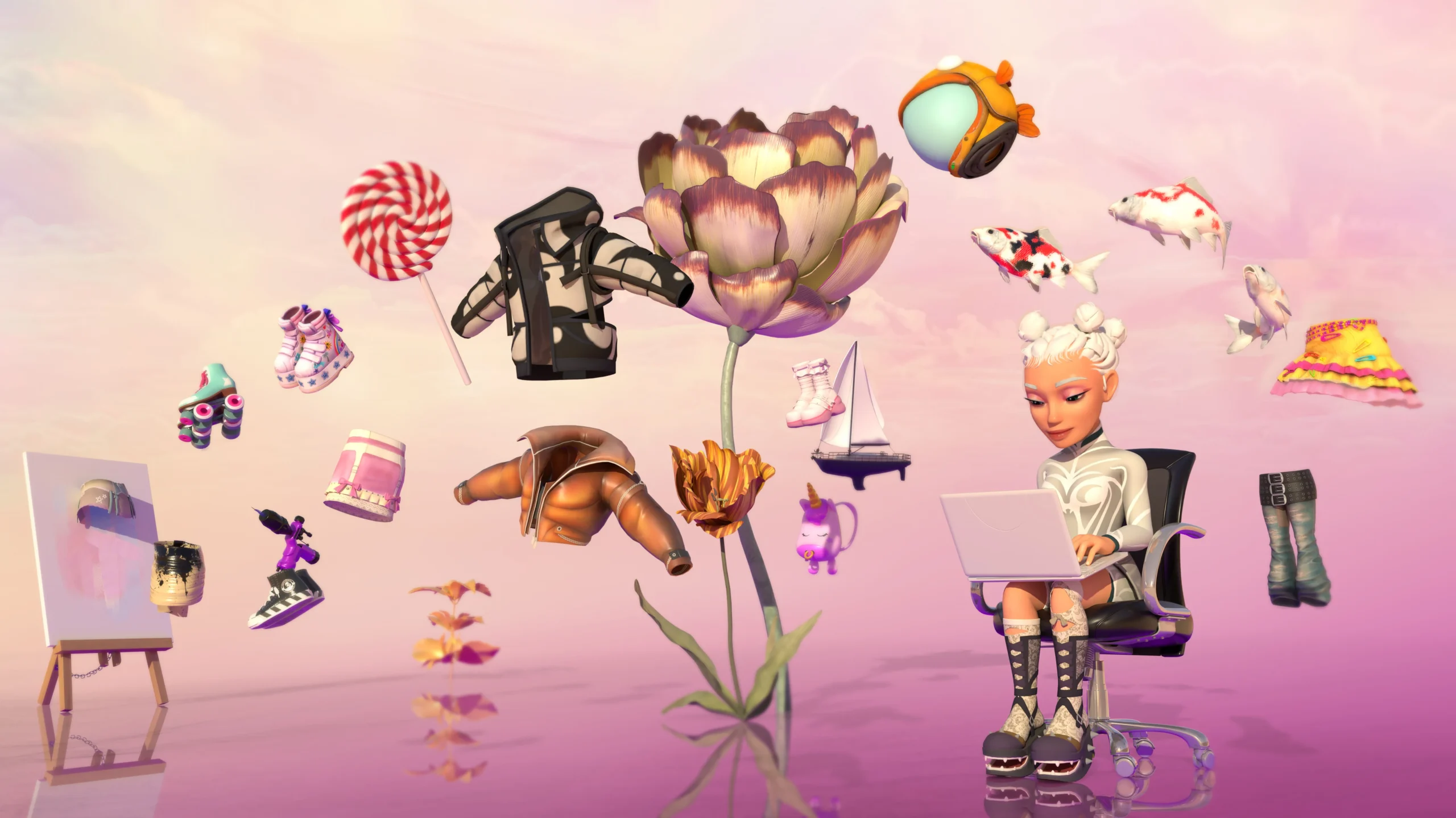
Think about the last time a digital character caught your attention. Maybe it was guiding you through an app, introducing a lesson, or representing someone’s online profile. Chances are, that character felt intentional. It had a personality, a tone, and a purpose. That is the power of personalized digital characters. They turn abstract ideas into recognizable identities.
In today’s digital world, people are no longer just consuming content. They are representing themselves through it. From educators and creators to students and entrepreneurs, digital characters have become a bridge between ideas and identity.
Why digital characters feel more personal than logos
A logo can represent a brand, but a character represents a presence. Characters feel human, even when they are stylized. They can express emotion, guide attention, and create familiarity over time.
For creators and educators, this matters a lot. When learners or audiences see the same character across videos, presentations, and platforms, it creates continuity. That consistency helps people feel oriented and comfortable, which is especially important in online learning environments where personal connection can be harder to establish.
A personalized digital character can act as a narrator, a guide, or even a reflection of the creator’s values. Instead of feeling like content is coming from an anonymous source, it feels like it is coming from someone with a voice and identity.
Technology has lowered the barrier to self expression
Not long ago, creating a digital character required design skills, expensive software, or hiring a professional illustrator. Today, technology has changed that completely.
Modern tools guide users through visual decisions step by step. You choose facial features, colors, expressions, and styles without needing to understand design theory. This shift has made visual identity accessible to people who previously felt locked out of creative expression.
For example, educators creating online courses can now design a character that represents them or their teaching style. A friendly character can make lessons feel less intimidating, especially for beginners. Using an avatar creator from Adobe Express allows users to experiment with visual identity quickly, turning a rough idea into a polished character without technical friction.
How personalized characters enhance learning
Learning is deeply emotional. When people feel comfortable and engaged, they learn better. Digital characters support this by adding warmth and clarity to information.
A character can signal what is important, explain steps visually, or simply make content feel less overwhelming. In self paced learning, where learners do not have an instructor present, characters can act as a reassuring guide. They reduce the feeling of isolation and make instructions feel conversational rather than rigid.
Personalized characters also help with memory. When information is associated with a familiar visual presence, learners are more likely to remember it. This is especially useful in complex topics where visuals help anchor understanding.
Turning ideas into a visual identity
The process of creating a digital character often starts with a simple question. What do I want people to feel when they interact with this content?
From there, choices become clearer. A calm and supportive tone might lead to softer colors and friendly expressions. A bold and energetic message might call for brighter visuals and sharper features. The goal is not perfection, but alignment between message and representation.
It is also important to think about longevity. A good digital character should grow with your content. Simple, adaptable designs tend to last longer than highly detailed ones that may feel outdated quickly.
A fresh perspective on digital identity
Personalized digital characters are not about pretending to be something you are not. They are about translating who you are into a visual language that works online.
As technology continues to make design more accessible, the focus shifts from technical skill to intention. Anyone can now turn ideas into identity with the right tools and mindset. The most impactful characters are not the most complex ones, but the ones that feel authentic, consistent, and thoughtfully connected to the message they represent.
When visuals reflect identity clearly, digital communication becomes more human, more memorable, and more effective.