
 By SEO feast
Managing acne is no longer limited to teenage skin concerns. Many adults experience breakouts while also noticing signs of ageing such as fine lines, uneven texture, and reduced firmness. This has led to a growing need for skincare approaches that address both issues together. Ageing skin products are now commonly formulated to work alongside modern acne treatment, helping improve skin clarity without compromising skin barrier health or accelerating signs of ageing. Understanding how these products complement each other can help individuals build a more balanced and effective skincare routine.
Understanding Acne in Ageing Skin
Acne in adult skin differs from adolescent acne in several important ways. While teenage acne is often driven by excess oil production and hormonal changes during puberty, adult acne is frequently influenced by stress, hormonal fluctuations, lifestyle factors, and slower skin cell turnover. Ageing skin also tends to be drier, thinner, and more sensitive, which means aggressive acne treatment can lead to irritation and premature ageing if not carefully selected.
Modern acne treatment focuses on reducing inflammation, preventing clogged pores, and supporting healthy skin renewal. When combined correctly, ageing skin products can enhance these effects by improving hydration, elasticity, and overall skin resilience.
How Ageing Skin Products Differ From Traditional Acne Products
Focus on Skin Barrier Support
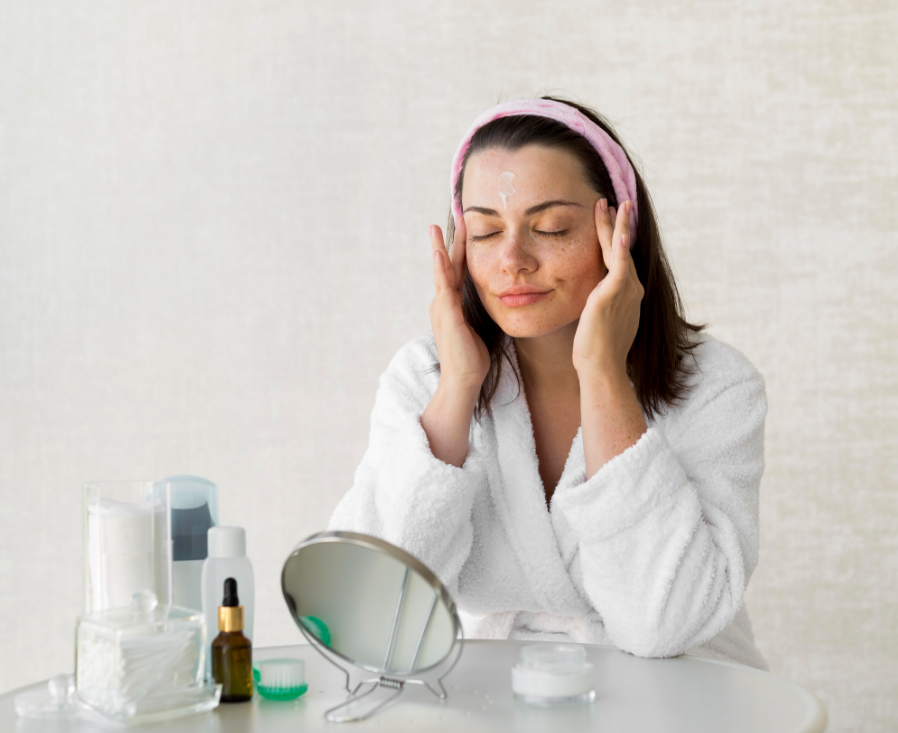
Traditional acne products often prioritise oil control and exfoliation, sometimes at the expense of the skin barrier. In contrast, ageing skin products are designed to strengthen the skin barrier, which is essential for mature or sensitised skin. A healthy barrier reduces water loss, minimises irritation, and allows acne treatment ingredients to work more effectively without causing excessive dryness.
By supporting the barrier, ageing skin products help ensure acne treatment does not lead to redness, flaking, or increased sensitivity.
Balanced Active Ingredients
Ageing skin products typically include ingredients that address multiple concerns, such as fine lines, uneven tone, and loss of firmness. Many of these ingredients, including retinoids, niacinamide, and antioxidants, are also beneficial for acne-prone skin. When used correctly, these shared actives can support clearer skin while improving texture and appearance over time.
This overlap allows ageing skin products to complement acne treatment rather than compete with it.
The Role of Retinoids in Dual-Purpose Skincare
Supporting Cell Turnover
Retinoids are widely used in both ageing skin products and acne treatment. They work by encouraging faster skin cell turnover, which helps prevent clogged pores while also reducing the appearance of fine lines and uneven texture. For adult skin, lower-strength or slow-release retinoids are often preferred to reduce irritation.
Using retinoids consistently can improve acne control while supporting smoother, more even-looking skin over time.
Reducing Inflammation and Breakouts
In addition to their anti-ageing benefits, retinoids help regulate oil production and reduce inflammation, making them an effective component of modern acne treatment. When paired with hydrating ageing skin products, retinoids can be better tolerated by mature skin.
Hydration as a Key Component of Acne Management
Why Hydration Matters
One common misconception is that acne-prone skin should avoid moisturisers. In reality, dehydration can trigger increased oil production, which may worsen breakouts. Ageing skin products often prioritise hydration through ingredients such as hyaluronic acid, glycerin, and ceramides.
These ingredients help maintain moisture balance, allowing acne treatment products to work without over-drying the skin.
Supporting Healing and Repair
Hydrated skin heals more efficiently and is less prone to irritation. When acne treatment causes dryness or mild peeling, ageing skin products can support recovery and reduce discomfort. This balanced approach helps maintain consistent treatment without interruption.
Managing Sensitivity and Inflammation
Calming Ingredients in Ageing Skin Products
Many ageing skin products include calming ingredients such as niacinamide, peptides, and botanical extracts. These ingredients help reduce redness and irritation, which can be common side effects of acne treatment.
By calming the skin, these products make it easier to maintain a long-term acne management routine.
Reducing Post-Breakout Marks
Inflammation from acne can lead to lingering marks or uneven skin tone, particularly in mature skin where healing may be slower. Ageing skin products that support skin renewal and tone correction can help reduce the appearance of post-acne marks over time.
Combining Exfoliation With Care
Gentle Exfoliation for Mature Skin
Exfoliation is an important part of acne treatment, as it helps prevent pore congestion. However, ageing skin requires a gentler approach. Many ageing skin products use mild exfoliating acids or enzyme-based exfoliants that support skin renewal without causing excessive irritation.
This controlled exfoliation supports clearer pores while preserving skin comfort.
Avoiding Over-Exfoliation
Using too many exfoliating products can compromise the skin barrier and worsen both acne and signs of ageing. A balanced routine that combines acne treatment with carefully selected ageing skin products helps avoid this issue.
Building a Compatible Skincare Routine
Layering Products Effectively
To gain the most benefit, acne treatment products should be layered correctly with ageing skin products. Treatments targeting acne are typically applied first, followed by hydrating and supportive products. This approach allows active ingredients to work effectively while maintaining comfort.
Consistency and moderation are key when combining multiple product types.
Adjusting Based on Skin Response
Skin needs can change over time due to seasonal factors, stress, or hormonal changes. Ageing skin products provide flexibility, allowing routines to be adjusted without abandoning acne treatment altogether. Monitoring skin response helps ensure long-term success.
The Importance of Sun Protection
Preventing Premature Ageing
Sun exposure contributes significantly to skin ageing and can worsen post-acne marks. Many ageing skin products are designed to work alongside daily sun protection, which is essential for preserving skin health.
Using sun protection supports both acne treatment outcomes and anti-ageing goals.
Protecting Treated Skin
Acne treatment often increases skin sensitivity to sunlight. Supporting this treatment with protective ageing skin products helps reduce the risk of irritation and uneven pigmentation.
Long-Term Benefits of a Combined Approach
Supporting Skin Confidence
Managing acne while addressing ageing concerns can improve overall skin confidence. Rather than treating each issue separately, a combined approach supports balanced, healthy-looking skin.
Ageing skin products help maintain skin strength and resilience, making acne treatment more sustainable over time.
Encouraging Consistent Care
When skincare routines are comfortable and effective, individuals are more likely to maintain them consistently. This consistency is crucial for both acne control and long-term skin health.
Final Thoughts
Ageing skin products play an important role in supporting modern acne treatment, particularly for adults managing breakouts alongside visible signs of ageing. By focusing on hydration, barrier support, gentle renewal, and calming inflammation, these products help create a balanced routine that addresses multiple skin concerns at once. When carefully selected and used consistently, ageing skin products can enhance acne treatment outcomes while supporting healthier, more resilient skin over time.