
 By SEO feast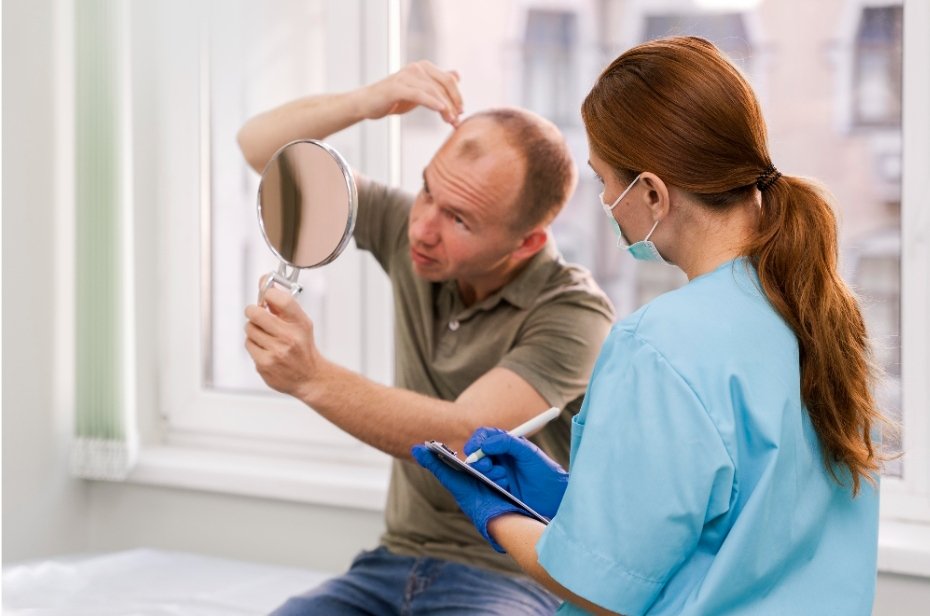
Deciding to undergo a hair transplant is a major step toward improving your appearance and feeling more comfortable in your own skin. It is a process that requires careful thought, from choosing the right clinic to understanding the recovery phase. However, many people overlook the preparation phase, which is just as important as the surgery itself. When you get ready for hair restoration in Melbourne, you are essentially setting the foundation for how well the grafts will take and how quickly your scalp will heal.
The preparation starts weeks before you actually sit in the chair. It involves looking after your general health, making specific lifestyle adjustments, and ensuring your scalp is in the best possible condition. This guide will walk you through everything you need to know to get ready for your appointment, ensuring you arrive feeling calm and well-prepared.
The Importance of Early Planning
The success of any hair transplant relies heavily on the health of the donor hair and the condition of the skin where the hair will be placed. If you are healthy and your scalp is well-nourished with good blood flow, the results are likely to be much better. Planning ahead also helps reduce the stress that can come with any medical procedure. By knowing exactly what to do in the weeks leading up to your visit, you can focus on the positive change that is about to happen.
In Melbourne, where the weather can be quite unpredictable, you also need to consider how your skin reacts to the environment. Whether it is the dry heat of summer or the damp cold of winter, keeping your skin hydrated and healthy is a top priority. Proper preparation ensures that your body is ready to handle the procedure and the healing process that follows.
Two to Three Weeks Before the Procedure
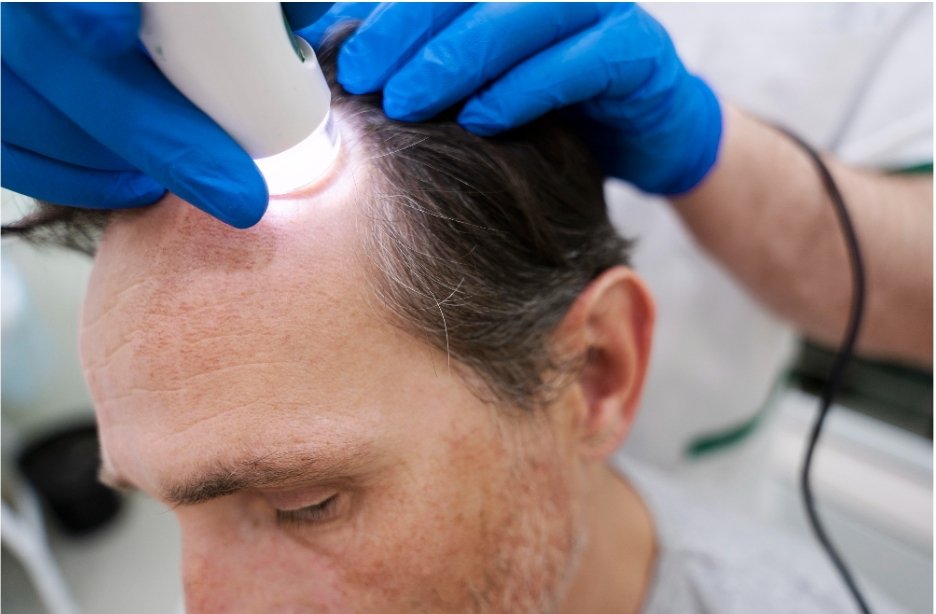
Your journey begins about twenty days before the scheduled date. This is the time to start making physical and medical adjustments.
Discussing Medications with Your Specialist
One of the most critical steps is to review every medication and supplement you are currently taking. Some common pills can interfere with the body’s ability to clot blood or may react with the anaesthetic used during the procedure. For instance, aspirin and other anti-inflammatory drugs are known to thin the blood. If you are taking these for minor aches, you should talk to your doctor about stopping them temporarily.
Vitamins and herbal supplements are often viewed as harmless, but many can cause issues during surgery. High doses of Vitamin E, fish oil, and certain herbal teas can increase the risk of bleeding. If you are considering an FUE hair transplant in Sydney or Melbourne, the surgical team will need a full list of these items to give you the best advice.
Smoking and Alcohol Use
If you smoke, now is the time to stop. Nicotine narrows the blood vessels and reduces the amount of oxygen that reaches your skin. For a hair transplant to be successful, the newly moved follicles need a constant supply of oxygen-rich blood to survive. Smoking can significantly lower the survival rate of these grafts and slow down your overall healing time. Most experts suggest quitting at least two weeks before and two weeks after the session.
Alcohol should also be cut out of your routine at least a week before the appointment. Like certain medications, alcohol can thin the blood and lead to more bleeding during the extraction and implantation phases. It also tends to dehydrate the body, which is not ideal when you want your skin to be as supple as possible.
One Week Before the Appointment
As the date draws closer, your focus should shift toward direct scalp care and final lifestyle tweaks.
Scalp Preparation and Massage
Some surgeons recommend that patients perform daily scalp massages in the week leading up to their hair restoration in Melbourne. The goal here is to increase the flexibility of the scalp skin, often referred to as scalp laxity. Using the pads of your fingers to gently move the skin on your head for about ten to fifteen minutes a day can make it easier for the surgeon to work with the donor and recipient areas.
Avoiding Certain Hair Products
In the final seven days, you should stop using any topical hair loss treatments like Minoxidil. While these products are great for maintaining hair, they work by increasing blood flow to the scalp, which can cause excess bleeding during the procedure. You should also avoid dyeing your hair in the week before your appointment. If you feel you must dye it to cover greys, do it at least ten days prior so that any chemicals have been thoroughly washed away and the scalp is not irritated.
Nutrition and Hydration
What you eat affects how you heal. In the week leading up to your surgery, focus on a diet rich in proteins, vitamins, and minerals. Zinc and iron are particularly important for hair health and skin repair. Ensure you are drinking plenty of water every day. A well-hydrated body maintains better skin elasticity, which helps the surgeon during the implantation process.
Managing Expectations: FUE vs. FUT
It is helpful to understand the specific method being used for your hair restoration. Most modern clinics in Australia favour the Follicular Unit Extraction (FUE) method because it is less invasive and does not leave a large linear scar.
Preparing for an FUE Hair Transplant in Sydney or Melbourne
The FUE technique involves taking individual hair follicles from a donor area and moving them to the thinning spots. Because this method is very detailed, the preparation is often focused on keeping the donor area healthy. If you are looking at an FUE hair transplant in Sydney, the team might ask you to keep your hair at a certain length so they can better assess the angle of the hair growth before they trim it for the procedure.
The Day Before Your Session
The day before your appointment should be spent relaxing and getting your home ready for your return.
Confirming Your Transport
You will not be able to drive yourself home after the procedure. Even if you feel perfectly alert, the local anaesthetic and any mild sedative you might have been given can slow your reaction times. Make sure you have a friend or family member ready to pick you up, or have a reliable rideshare app ready on your phone.
Setting Up Your Recovery Station
When you get home, you will want to rest immediately. Set up a spot on your sofa or bed with several pillows. You will need to sleep with your head elevated at roughly a forty-five-degree angle for the first few nights. This helps to minimise swelling in the forehead and around the eyes. Having your snacks, water, and entertainment within arm’s reach will make the first evening much more comfortable.
The Morning of the Appointment

When the big day finally arrives, there are a few final things to keep in mind to ensure everything goes smoothly.
What to Wear
This is one of the most practical tips: wear a button-down or zip-up shirt. Do not wear a T-shirt or a jumper that needs to be pulled over your head. After the hair restoration in Melbourne is finished, your scalp will be covered in tiny, delicate grafts. Pulling a tight shirt over your head could catch on these grafts and pull them out. A shirt that opens at the front avoids this risk entirely.
Breakfast and Caffeine
Eat a light, healthy breakfast to keep your energy levels stable, as the session can take several hours. However, you should avoid caffeine. Coffee and tea can increase your blood pressure and heart rate, which might make you feel more jittery and can slightly increase bleeding during the surgery. Stick to water or a caffeine-free herbal tea.
Scalp Cleanliness
Wash your hair thoroughly on the morning of the procedure using a mild or antiseptic shampoo provided by the clinic. Do not apply any hairspray, gel, or other styling products. Your scalp needs to be as clean and sterile as possible for the surgeon.
Final Thoughts on Your Journey
Preparing for a hair transplant is a process of small, manageable steps that lead to a significant result. By taking the time to look after your health, adjust your habits, and follow the specific instructions from your clinic, you are giving yourself the best chance at a successful outcome.
Hair restoration is a journey that requires patience. While the preparation and the procedure happen relatively quickly, it will take several months for your new hair to grow in and show the final result. Stay positive and follow your post-operative instructions just as carefully as you followed these preparation steps.