
 By Undeadinc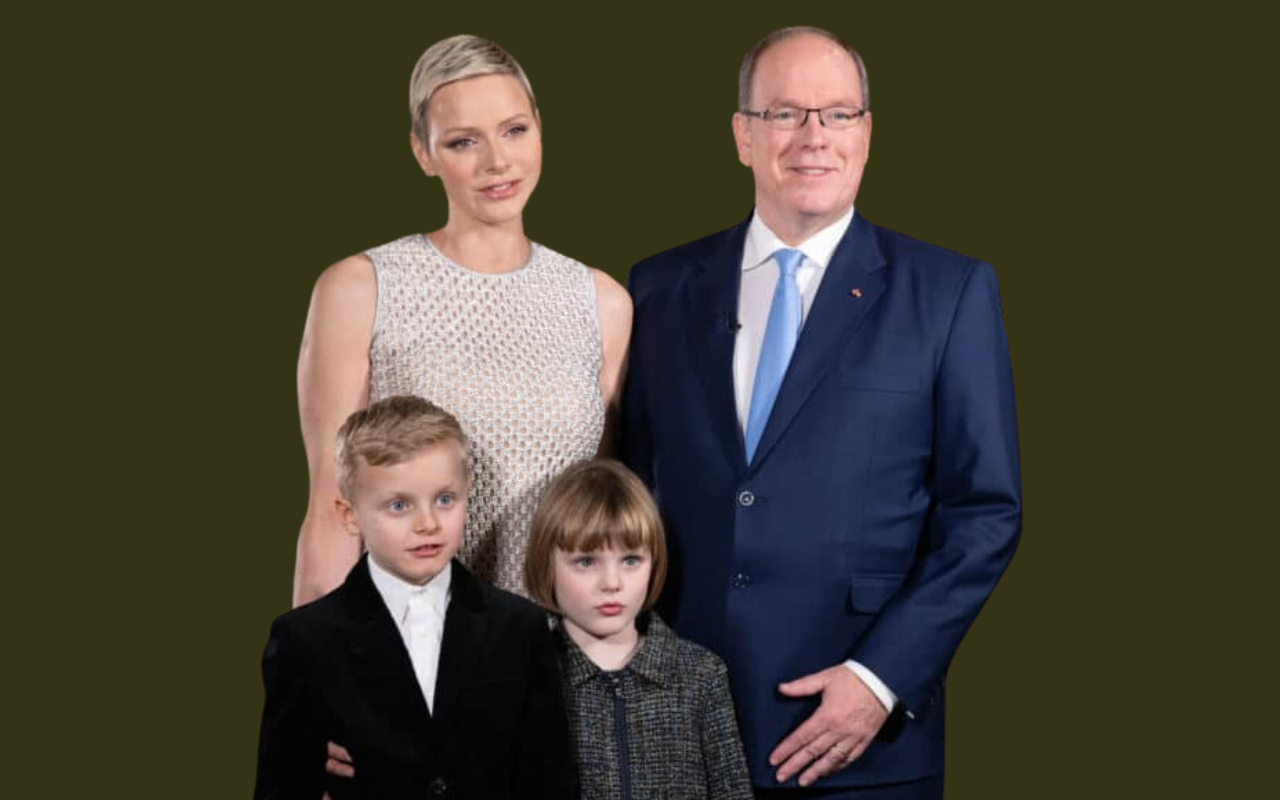
Few royal figures today balance tradition and modern responsibility as gracefully as Prince Albert II of Monaco. Born into one of Europe’s oldest dynasties and raised by a Hollywood icon, he has spent his life navigating a world where glamour, duty, and global expectations meet. His journey — from curious young prince to active Olympic athlete to committed environmental leader — offers an inspiring look into how royalty can evolve with the world. Prince Albert’s life is not merely a story of inheritance; it is a story of transformation, purpose, and a deep sense of stewardship for both Monaco and the planet.
From the early chapters of his upbringing inside the Prince’s Palace, Albert was surrounded by symbols of royal heritage and international fascination. Yet beneath the glittering surface of Monaco’s identity, his childhood also carried the weight of future responsibility. As he grew older, he shaped his own identity through education, travel, sports, diplomacy, and environmental advocacy. These experiences molded him into a leader capable of balancing the expectations of a principality known for wealth and prestige with the growing needs of a rapidly changing world.
What makes Prince Albert II’s story particularly compelling is how consistently he has used his position to create meaningful change. Whether promoting sustainability, supporting scientific research, or representing Monaco at global conferences, he has chosen a path defined by action rather than symbolism. His life speaks to the power of purpose and how leadership — when rooted in values — can transcend borders, industries, and generations.
Quick Facts About Prince Albert II of Monaco
| Category | Details |
|---|---|
| Full Name | Albert Alexandre Louis Pierre Grimaldi |
| Date of Birth | March 14, 1958 |
| Age | 67 years (as of 2025) |
| Title | Sovereign Prince of Monaco |
| Parents | Prince Rainier III & Princess Grace Kelly |
| Siblings | Princess Caroline & Princess Stéphanie |
| Spouse | Princess Charlene of Monaco |
| Children | Prince Jacques, Princess Gabriella, Jazmin Grace, Alexandre Coste |
| Birthplace | Prince’s Palace, Monaco |
| Profession | Monarch, philanthropist, environmental activist |
| Education | Amherst College, USA |
| Estimated Net Worth | Approx. $1 billion (various holdings & royal assets) |
| Known For | Environmental advocacy, Monaco modernization, Olympic participation |
| Social Presence | Public engagements via official Monaco channels |
Early Life and Royal Upbringing
Prince Albert II’s early life was defined by an extraordinary blend of royalty and Hollywood elegance. Born inside the historic Prince’s Palace, he entered a world where ancient tradition met global celebrity, thanks to his mother Grace Kelly — one of America’s most iconic actresses. His childhood was shaped by the cultural richness of Monaco, exposure to high-level diplomacy, and a sense of belonging to a family that represented both glamour and duty. Growing up, Albert developed early curiosity about the world, encouraged by his parents’ desire to give their children a balanced and grounded upbringing.
Despite being raised in a palace, Albert’s early education emphasized discipline, humility, and compassion. His father, Prince Rainier III, believed deeply in preparing his only son for the responsibility he would eventually inherit. As a result, Albert was taught not only the ceremonial traditions of Monaco but also the importance of leadership and service. His mother contributed an equally significant influence — nurturing his creativity, emotional intelligence, and genuine interest in people. These complementary forces deeply shaped the boy who would one day become a global advocate for environmental causes.
In addition to his family’s guidance, Albert’s environment also played a major role in molding him. Living in a small but internationally influential principality meant he was constantly surrounded by diplomats, world leaders, philanthropists, and cultural icons. Exposure to so many perspectives at a young age gave him a natural openness to global issues. Monaco’s position as a hub for finance, tourism, and arts also widened his worldview and taught him early on that leadership requires an understanding of both local identity and international relations.
Education, Exposure, and Personal Development
Albert’s education took him far beyond the coastal borders of Monaco, beginning in local schools before expanding to international institutions known for academic excellence. He studied at Lycée Albert I in Monaco and later moved to the United States to enroll at Amherst College, where he completed a degree in political science. This period was transformative — allowing him to gain independence and understand different cultures, political structures, and societal challenges. Learning in an American liberal arts environment broadened his thinking and cultivated the analytical skills he would later bring to his reign.
His college years also introduced him to the importance of diplomacy and international cooperation. Albert learned that governing a nation, even a small one, requires an understanding of global economics, environmental concerns, and technological progress. He made lifelong connections with peers from diverse backgrounds, sharpening his abilities in communication and negotiation. Living outside his sheltered royal environment helped him build the interpersonal skills and leadership qualities that remain central to his public persona today.
Beyond academics, Albert’s formative years included hands-on experiences that went far beyond the typical education of a royal heir. He trained with the French Navy, gaining discipline, resilience, and practical military knowledge. He also developed a passion for sports — especially bobsleigh — which eventually led him to represent Monaco in five consecutive Winter Olympic Games. These experiences deepened his understanding of hard work and competition and taught him that leadership includes representing one’s country on both ceremonial and performance-based stages.
Path to the Throne and Becoming a Modern Monarch
Prince Albert II officially assumed the throne on April 6, 2005, after the passing of his father Rainier III, who had ruled Monaco for nearly 56 years. The transition marked an important moment in Monaco’s modern history, as Albert stepped into a role that carried immense expectations. However, he approached the position with a clear vision — honoring the traditions of the Grimaldi family while guiding Monaco into a sustainable, inclusive, and globally relevant future. His leadership style from the beginning reflected responsibility, strategy, and compassion.
During his first years as ruler, Albert focused on strengthening Monaco’s international presence. He worked to maintain the country’s reputation as a secure, thriving destination for business and tourism while also incorporating values like environmental stewardship and ethical growth. He understood that Monaco’s identity needed to evolve in a world increasingly concerned with climate change, sustainability, and global cooperation. This awareness became a defining characteristic of his reign.
As the years progressed, Albert embraced his role not merely as a monarch but as a global citizen. He actively participated in United Nations conferences, environmental summits, humanitarian meetings, and global business forums. His leadership transformed Monaco into more than a symbol of luxury — it became a principality committed to ecological balance, science-based policymaking, and international partnerships. Under his leadership, Monaco expanded its influence in areas far removed from casinos and yachts, entering conversations about conservation, scientific research, and global well-being.
Major Achievements and Global Impact
One of Prince Albert II’s most significant contributions is his unwavering dedication to environmental protection. In 2006, he established the Prince Albert II of Monaco Foundation, an organization focused on climate change, biodiversity preservation, and water resource management. Through his foundation, Albert supported hundreds of global projects addressing marine conservation, polar research, reforestation, and sustainable development. The foundation has collaborated with scientists, NGOs, universities, and governments — proving that even small nations can make a major difference.
Another defining aspect of his achievements is his leadership style, which blends diplomacy with practical action. Prince Albert has been instrumental in positioning Monaco as a pioneer in renewable energy, eco-friendly construction, and responsible tourism. Under his guidance, Monaco committed to reducing greenhouse emissions, expanding marine-protected areas, and investing in sustainable urban development. His work consistently shows that environmental progress and economic strength can go hand in hand when guided by thoughtful leadership.
Beyond environmental initiatives, Albert has also strengthened Monaco’s global partnerships across sectors like sports, culture, and education. As an Olympic athlete himself, he has remained deeply connected to international sports organizations and has supported Monaco’s involvement in global sports diplomacy. He has also invested in preserving Monaco’s cultural heritage, supporting museums, arts foundations, and historical conservation projects — ensuring that the principality’s rich legacy continues to thrive for future generations.
Personal Life, Family, and Values
Despite his public responsibilities, Prince Albert II’s personal life has always carried thoughtful significance. His marriage to Princess Charlene in 2011 marked a modern era for Monaco’s royal family. The couple welcomed twins — Prince Jacques and Princess Gabriella — in 2014, securing the future of the Grimaldi dynasty. Their young family represents a new generation of Monaco’s leadership, blending tradition with contemporary values that emphasize education, responsibility, and global citizenship.
Prince Albert’s personal philosophy is shaped by values instilled by both his parents. From Princess Grace, he inherited compassion, elegance, and a deep sense of empathy. From Prince Rainier III, he inherited discipline, duty, and steady leadership. These qualities are reflected in his commitment to balancing public service with personal grounding. He frequently speaks about the importance of protecting nature, supporting humanitarian causes, and ensuring that Monaco remains a principality rooted in respect and innovation.
Albert’s relationship with his older children — Jazmin Grace Grimaldi and Alexandre Coste — demonstrates his desire to maintain honesty and responsibility. While they are not included in the line of succession, he has publicly acknowledged and supported them, ensuring they are respected members of the extended royal family. This openness reflects his belief in accepting responsibility and fostering positive family relationships even in complex circumstances.
Net Worth, Wealth Sources, and Public Image
Prince Albert II’s estimated net worth often draws global curiosity. Valued at approximately $1 billion, his wealth comes from a combination of long-standing royal assets, investments, real estate holdings, and controlling interests in SBM (Société des Bains de Mer), the company responsible for Monaco’s casinos, resorts, and entertainment venues. While his wealth is substantial, he is known for using his influence more for public service and philanthropy than for personal indulgence.
What distinguishes Albert is the transparency and responsibility surrounding his finances. Much of his wealth is tied to the monarchy’s institutional responsibilities—preserving cultural sites, funding public projects, and supporting Monaco’s infrastructure. Unlike many royal figures, Albert rarely participates in lavish displays. Instead, he channels resources toward humanitarian, scientific, and environmental work. His approach to wealth emphasizes stewardship rather than extravagance.
His public image is built on dignity, humility, and consistency. International media often highlight his environmental work, diplomatic engagements, and family life — painting a portrait of a monarch deeply committed to his duty. Over the years, Albert has earned respect from world leaders, scientists, environmentalists, and humanitarian organizations, reflecting a reputation grounded in action rather than status.
Recent Updates and Continuing Influence
In recent years, Prince Albert II has continued to strengthen Monaco’s position on the global stage. He remains actively involved in climate negotiations, polar research missions, and international diplomacy. His foundation continues expanding partnerships, particularly in areas like ocean acidification research, coastal protection, and climate resilience. These efforts reinforce Monaco’s commitment to sustainability, even as the world faces increasing environmental challenges.
On the domestic front, Albert has championed modern infrastructure projects, including sustainable housing developments, renewable energy integration, and cultural expansion. Monaco has become a model for micro-nations exploring cleaner energy, smart urban planning, and ocean protection. His leadership demonstrates that even small states can lead with innovation and responsibility.
Moreover, as Prince Jacques and Princess Gabriella grow, Albert increasingly focuses on shaping a strong and meaningful path for Monaco’s future generation. His long-term vision is clear: create a principality rooted in stability, fairness, environmental responsibility, and cultural pride. Through continued advocacy and public engagement, he remains a monarch committed to the well-being of both his people and the planet.
Legacy, Influence, and Final Reflection
Prince Albert II’s legacy is not defined by royalty alone — it is defined by purpose. His reign illustrates how a monarch can use influence to elevate global issues, champion science, and inspire long-term change. From protecting oceans to promoting renewable energy, from representing Monaco in the Olympics to building meaningful diplomatic bridges, Albert has built a life driven by responsibility rather than privilege.
His story teaches several powerful lessons:
- Leadership is stewardship, not status.
- Global change begins with local action.
- Tradition remains valuable when blended with progress.
Albert’s influence continues to evolve as he guides Monaco toward a future that respects history while embracing innovation. He stands as an example of how modern royalty can contribute to the world with authenticity and impact. His work reminds us that legacies are built through commitment, compassion, and courage — not just titles or wealth.
As Prince Albert II continues shaping Monaco’s identity for the next generation, his story stands as a reminder that resilience, purpose, and vision can create a meaningful, enduring legacy. His life reflects the balance between tradition and transformation — showing that even in a fast-changing world, principled leadership still matters.